
Nepal: Why Traveling There Today Can Help
Nepal: Why Traveling There Today Can Help
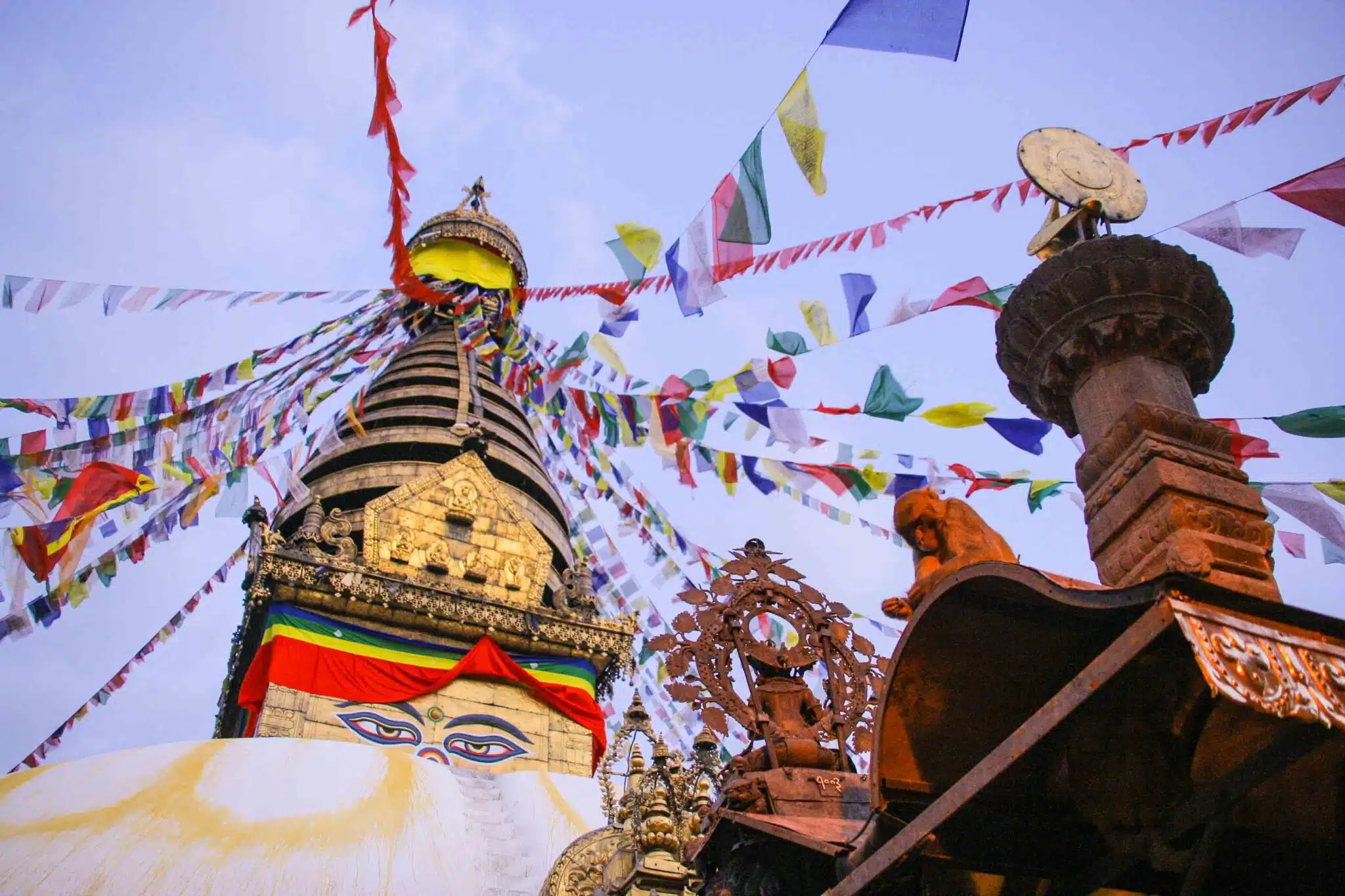
The images coming out of Nepal these days are terrible.
On August 26, a violent flood—likely caused by a GLOF (Glacial Lake Outburst Flood)—struck the northern part of the country along the Bhote Koshi and upper Trishuli rivers, devastating entire communities in the Rasuwa area and neighboring districts. Water, mud, and debris destroyed homes, roads, and bridges. The number of fatalities and missing persons is still rising, and search and rescue operations are ongoing.
You’re probably wondering: Is it safe to travel to Nepal? And is it the right time to go?
I don’t think there’s one answer that works for everyone. It depends on where you’re going, the circumstances at the time, and, above all, how you choose to travel.
Not all of Nepal is in a state of emergency
The disaster has hit certain areas of the country particularly hard. People are not allowed to enter those areas today: rescue operations are underway, infrastructure has been damaged, and communities need to be able to deal with the emergency without interference.
But Nepal is a large country, and conditions vary greatly from one region to another. There are many areas that have not been directly affected, where life goes on as usual and tourist activities continue.
This does not mean ignoring what has happened or pretending that everything is normal. It simply means assessing the situation area by area, checking local conditions, and being prepared to adjust itineraries and plans when necessary.
Tourism and Local Communities
We’ve been going to Nepal for nearly 40 years, organizing rafting expeditions on Himalayan rivers.
During all this time, I’ve learned at least two things.
The first is that what we see in the media often—and inevitably—focuses on the most dramatic aspects of what is happening.
The second point is that tourism in Nepal is not a minor issue: for countless people and families, it means jobs, income, and the chance to get ahead.
Guides, drivers, lodges, restaurants, porters, shops, and small businesses depend, directly or indirectly, on the presence of travelers.
After a disaster, it is understandable that fear might lead people to cancel trips even to areas that were not affected. But this can create additional difficulties for communities that are going about their daily lives and work.

For this reason, when safety conditions allow, continuing to travel can also be a concrete way to support the local economy.
However, this does not mean that leaving is, in and of itself, an act of solidarity. And above all, it cannot serve as an excuse to go just anywhere.
In affected areas, rescue workers, organizations, and professionals are needed, coordinated by the authorities and those familiar with the area. Travelers must respect these areas and never interfere with emergency operations.
First and foremost, safety and respect
As far as we’re concerned, we will continue to closely monitor how the situation unfolds.
We will not take a group to an area that we do not consider safe. If we need to change a route, we will do so. If we have to skip an area, we will do so.
Safety comes before any program.
At the same time, I don’t think it’s fair to automatically consider all of Nepal a destination to avoid.
Behind every trip we organize are people we’ve been working with for years: guides, drivers, families, and small local businesses. Continuing to work with them—when we can do so safely—also means continuing to support that network of people.
Nepal is hurting, but not all of Nepal has come to a standstill.
Anyone deciding to travel today should probably take a few extra precautions: stay informed, be willing to change plans, be respectful of the affected areas, and, whenever possible, choose local services and operators.
This isn’t about going there to save Nepal.
Put simply, it means not giving up out of fear when the conditions exist to continue traveling safely and responsibly.
With respect, caution, and awareness.