
PREPARING FOR EXPEDITIONS
RAFTING ACTIVITIES AND COURSES
Advanced Training School for Expeditions
To lead expeditions on the mighty Himalayan riversin Nepal and India, on the pristine waters of Patagonia, or on the legendary Grand Canyon in Colorado, you don’t have to be a superhero guide.
In addition to the technical skills we’ve acquired on our Alpine streams, we need to broaden our knowledge a bit further.
#RAFTINGVALLEDAOSTA #TOTEMADVENTURE #DORABALTEA #COURSES #RAFTINGCLASSV

Totem Adventure organizes rafting and kayaking expeditions across all 5 continents since 1988. We’ll do our best to ensure that all the expertise we’ve gained over the years becomes yours as well.
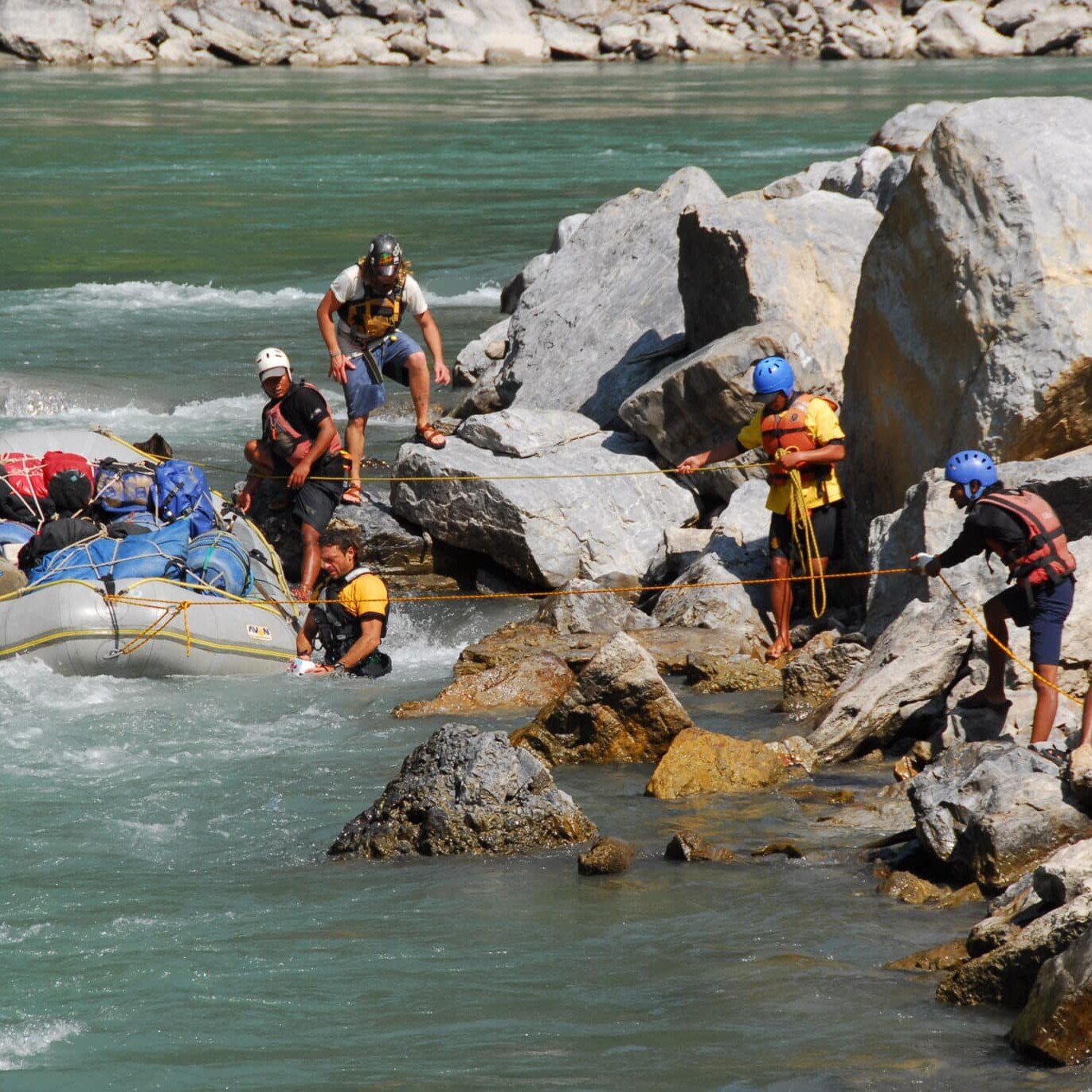
This camp will allow you to participate in and learn about a full expedition through hands-on experience. All “trainee guides” will be on a separate raft, which they will steer throughout the trip under the supervision of one of us, and they will play an active role in the expedition. In addition, each day there will be time set aside for a debriefing of the day’s events and for theory.
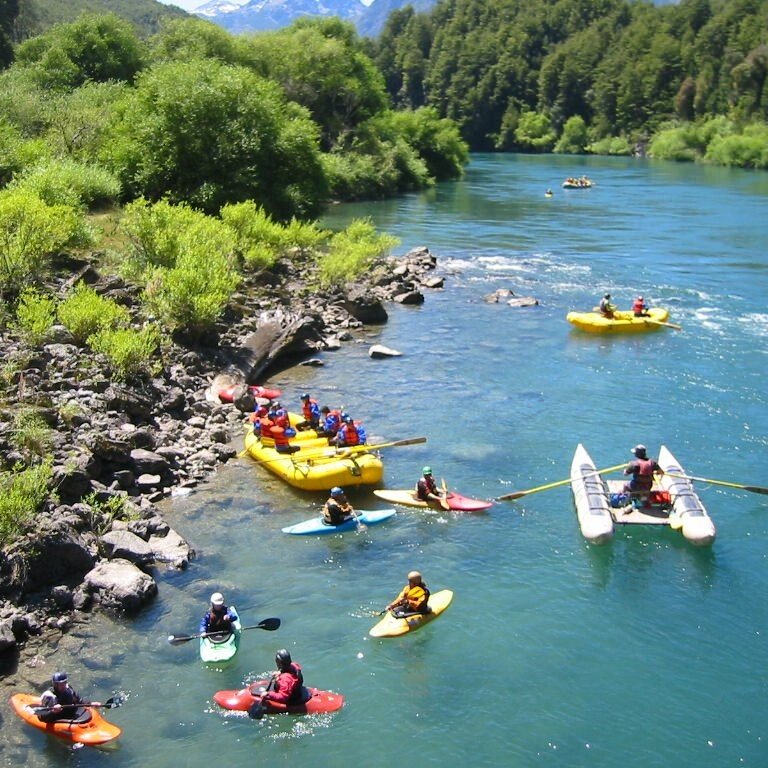
What does a guide need to know to lead a group on an expedition? It is necessary to learn how to navigate by sight on high-flow rivers, paddle or row with equal ease, navigate a raft loaded with gear, navigate as a group, work with safety kayaks, catarafts, cargo rafts, etc., and manage critical situations in challenging waters.
Working with people for two or three weeks is completely different from spending half a day on a river, where we work every day. It’s essential to learn how to manage the group effectively. We’re in remote areas. Knowing what alternative plans to fall back on if something goes wrong can be vital.

You also need to know how to do seemingly less noble tasks, such as starting a fire even when it’s raining, digging a latrine, and building makeshift shelters. A good expedition guide is also a good cook. He or she must know how to create menus that are suitable for the group but also compatible with local resources.
They must know how to buy, “pack,” manage, and prepare food for several days, even for groups with diverse dietary needs (vegetarians, people with celiac disease). They must have a basic understanding of first aid in remote areas and maintain hygiene standards in the camps so that the entire group stays healthy. It all sounds very complicated, but in reality, it isn’t. It’s a job like any other—one you learn by doing. It just takes a lot of passion and dedication, but what the river gives us in return is unparalleled.
We often deal with people who do not speak languages we are familiar with and who come from completely different cultures—for example, from the Himalayas.
Knowing more than one language and being good communicators can be a great help.

